1789
German Chemist Martin Klaproth Discovers Uranium

1896
Pierre and Marie Curie Identify 'Radioactivity'
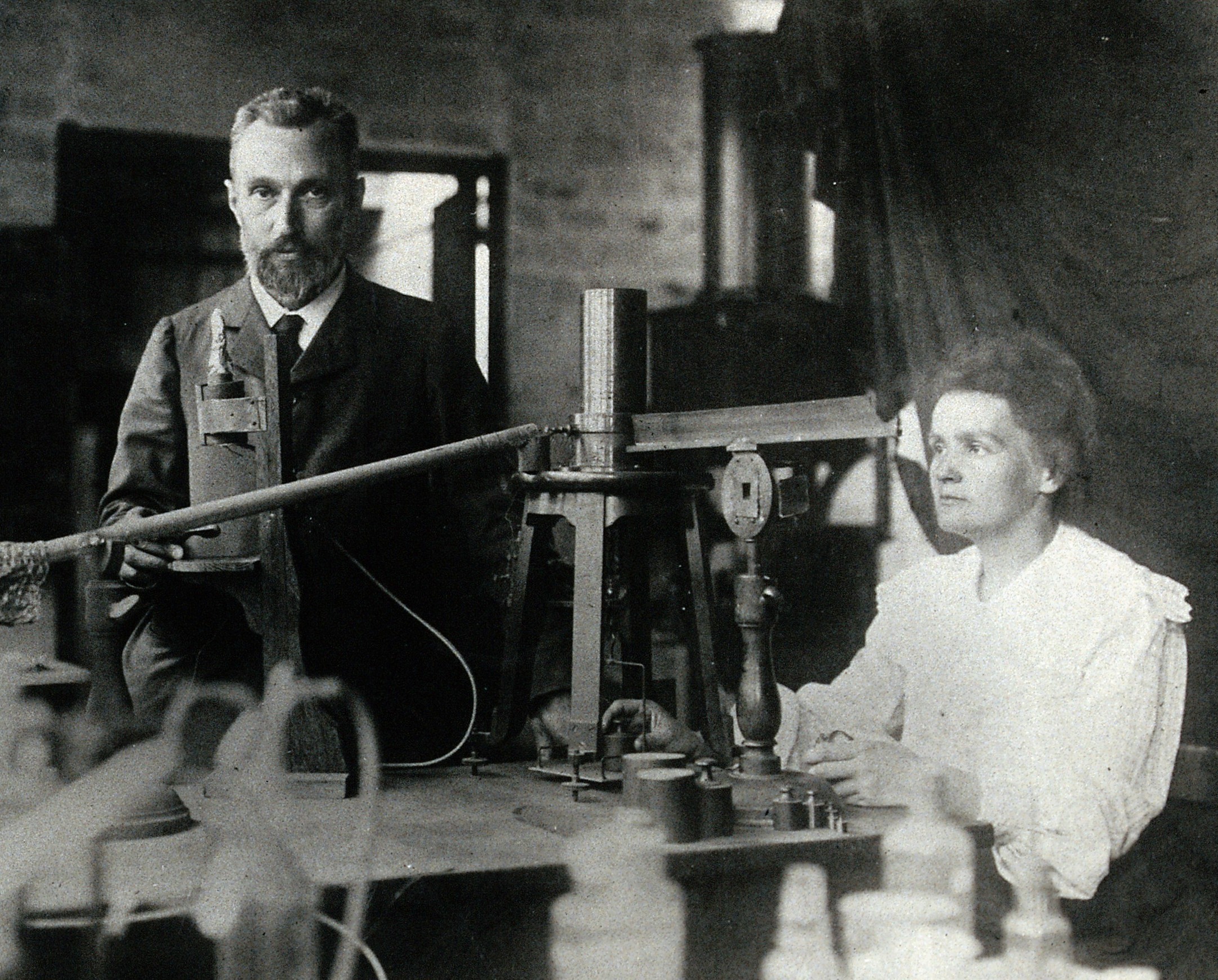
1898
Pierre and Marie Curie Isolate Polonium and Radium from Pitchblende
1905
Albert Einstein Suggests The Equivalence Between Mass and Energy

1932
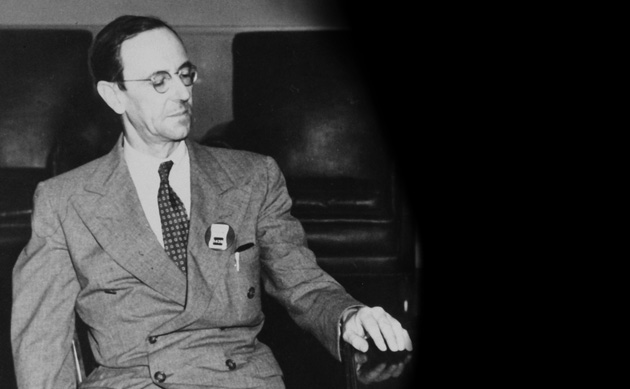
James Chadwick Discovers the Neutron
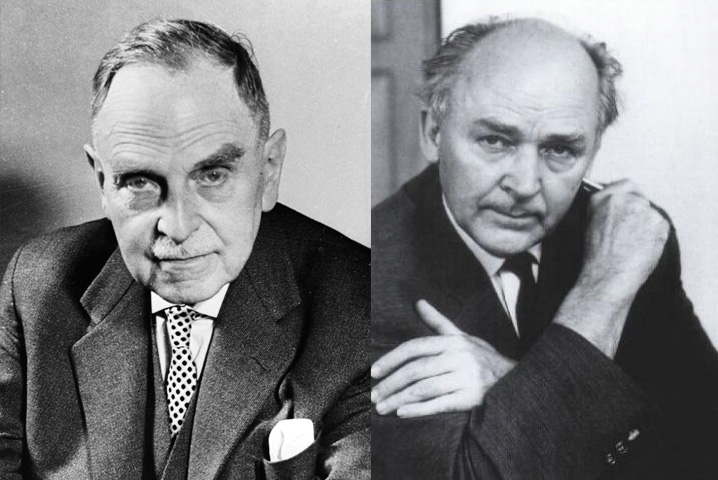
1938
Otto Hahn and Fritz Strassmann Demonstrate Atomic Fission
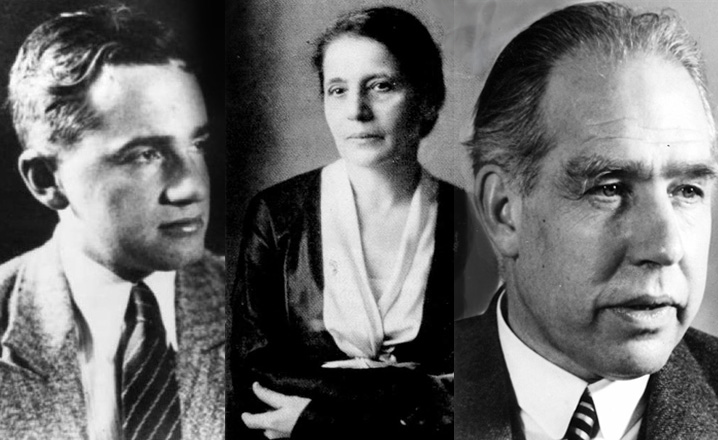
January 1939
Lise Meitner and Otto Frisch, Working Under Niels Bohr, Calculate the Energy Release from Fission
May 1939
Francis Perrin Introduces the Concept of the Critical Mass of Uranium Required to Produce a Self-Sustaining Release of Energy

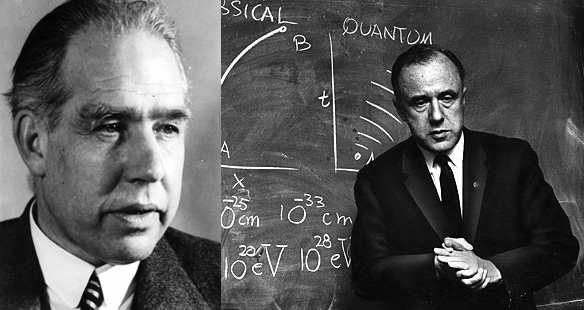
August 29, 1939
Bohr and Wheeler Publish an Analysis of the Fission Process
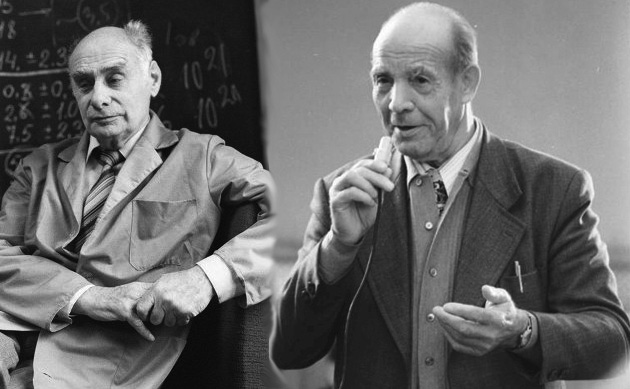
1940
Soviet physicists Georgy Flyorov and Konstantin Petrzhak Demonstrate Spontaneous Fission
1940s
Uranium is First Enriched in the United States as Part of The Manhattan Project

December 14, 1940
Dr. Glenn T. Seaborg, Joseph W. Kennedy, Edwin M. McMillan, and Arthur C. Wahl Produce and Isolate Plutonium

July 1941
British MAUD Committee Releases 'Use of Uranium as a Source of Power' Report

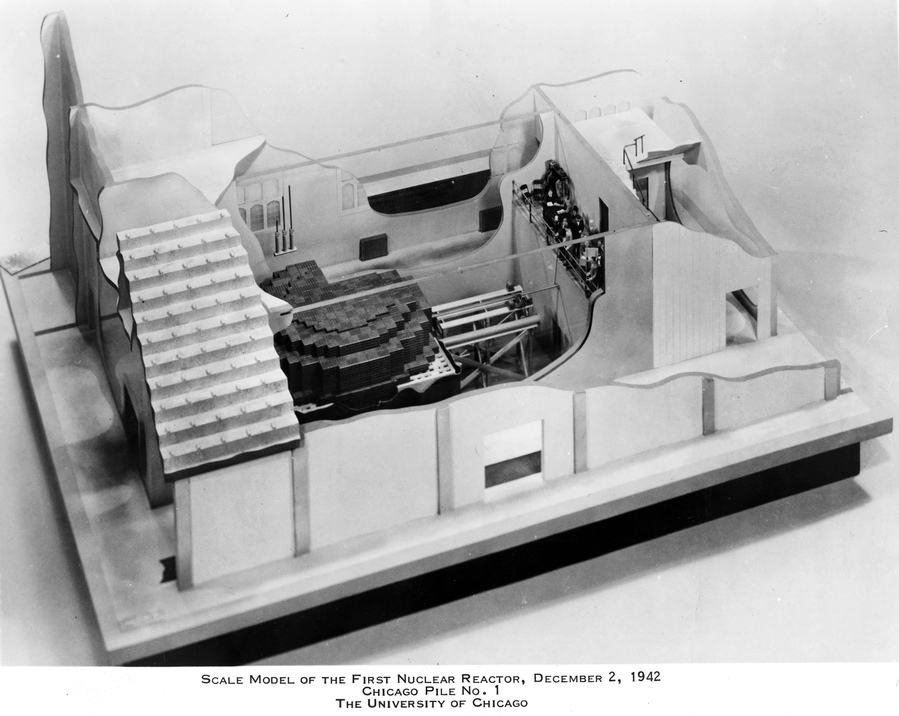
December 2, 1942
The First Controlled, Self-Sustaining Nuclear Chain Reaction is Conducted. The First Nuclear Reactor, Chicago Pile-1, is built on a Squash Court at the University of Chicago
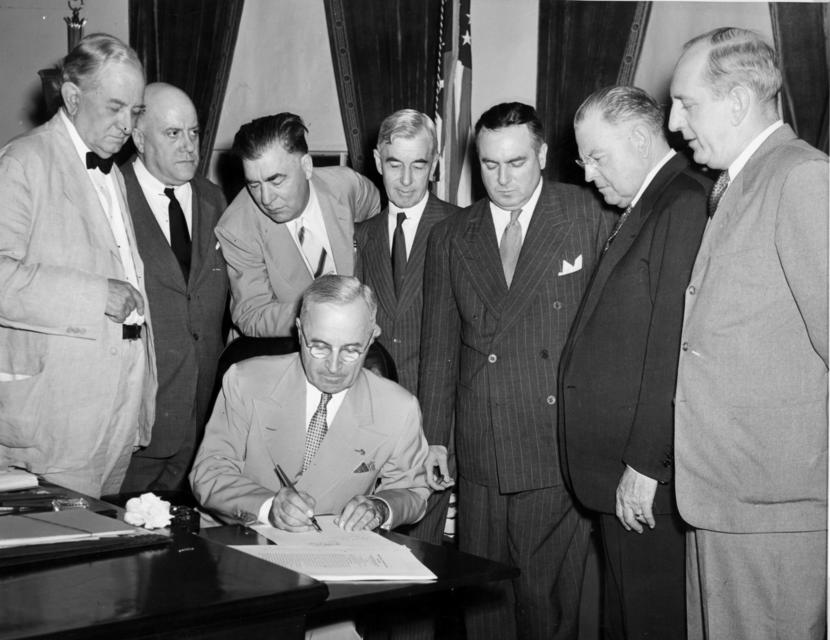
August 1, 1946
President Trumen Signs the Atomic Energy Act, Creating the Atomic Energy Commission to Oversee Peacetime Development of Atomic Science and Technology
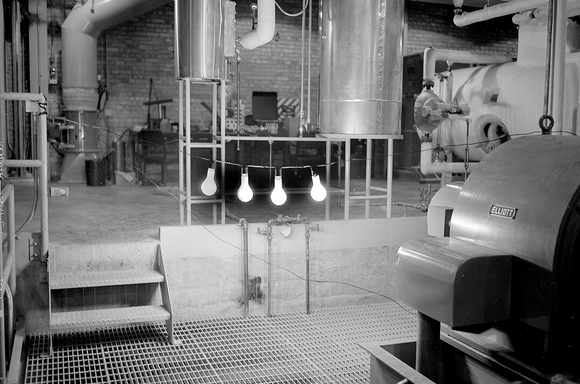
December 1951
Experimental Breeder Reactor (EBR-1) at Argonne National Laboratory in Idaho Produces Electricity
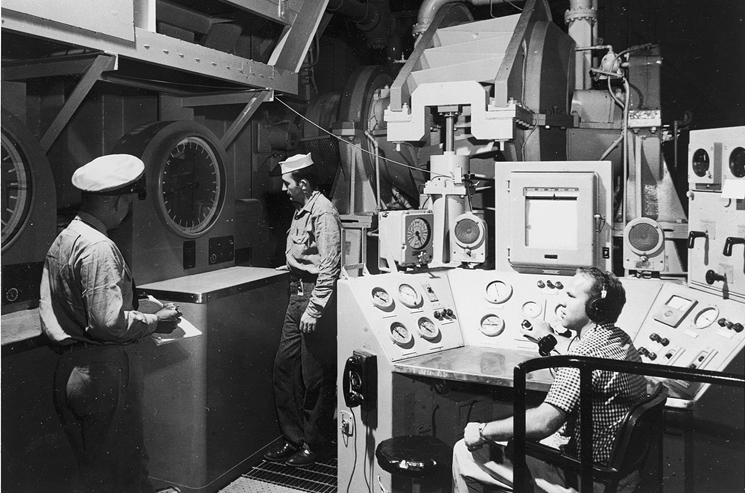
March 30, 1953
The Mark 1 Prototype Naval Reactor Starts Up
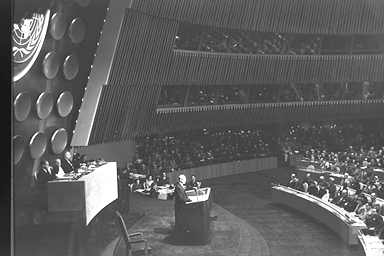
December 8, 1953
President Eisenhower Gives His "Atoms For Peace" Speech, Promoting Atomic Power for Peaceful Purposes
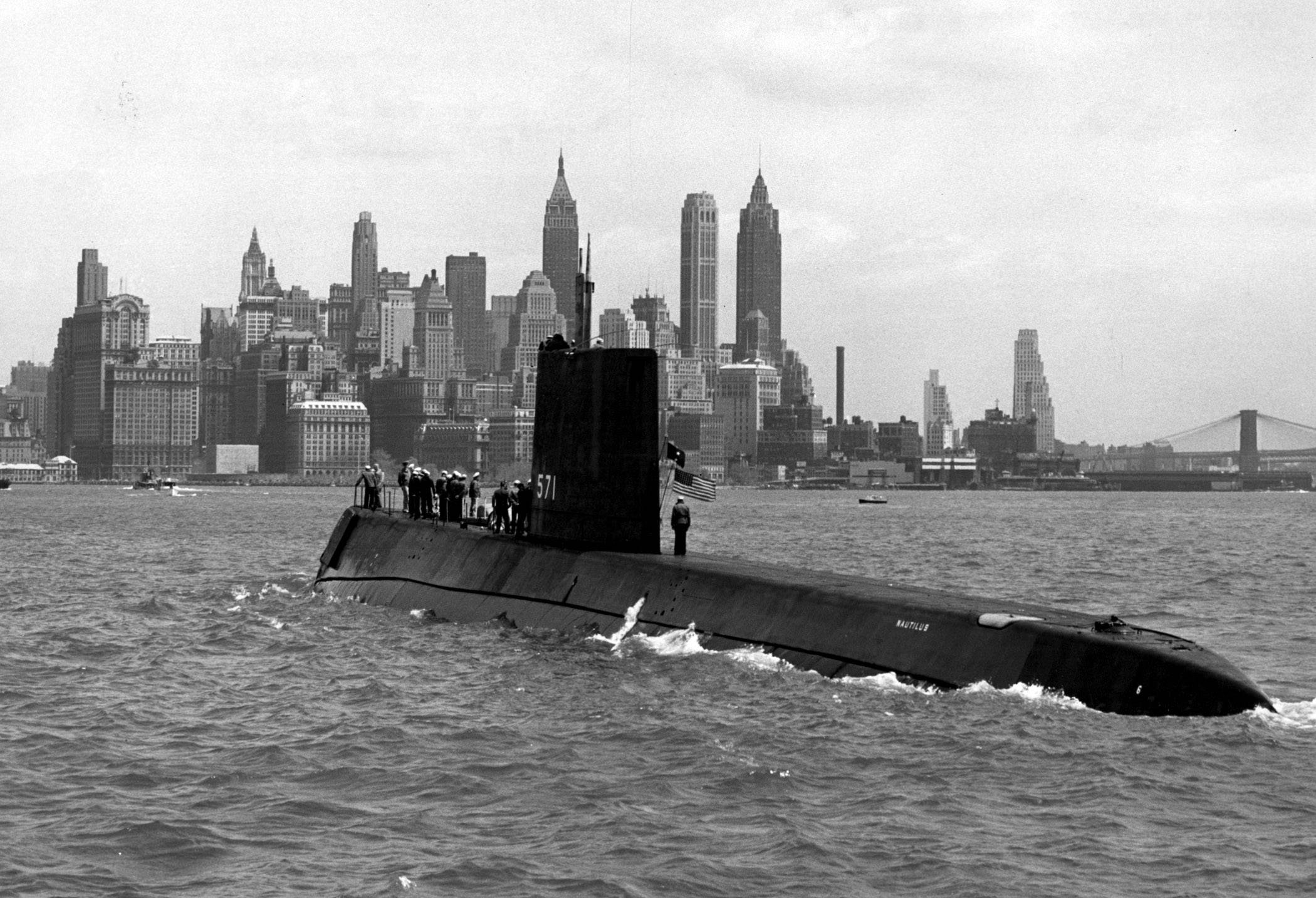
June 21, 1954
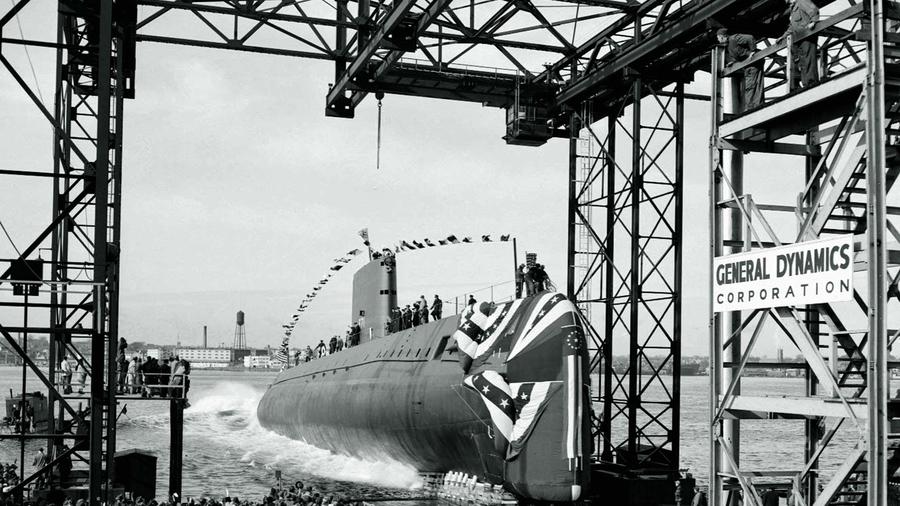
The USS Nautilus, the First Nuclear-Powered Submarine, is Launched
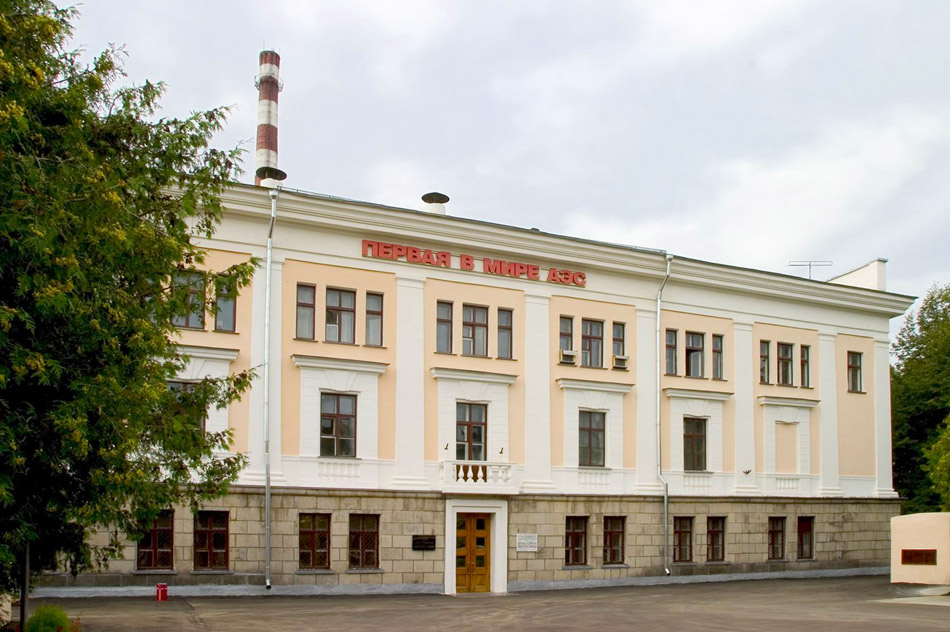
June 1954
Obninsk Nuclear Power Plant Becomes The World's First Grid-Connected Nuclear Power Station
July 29, 1957
The International Atomic Energy Agency is Formed to Regulate and Promote Peaceful Use of Atomic Power.
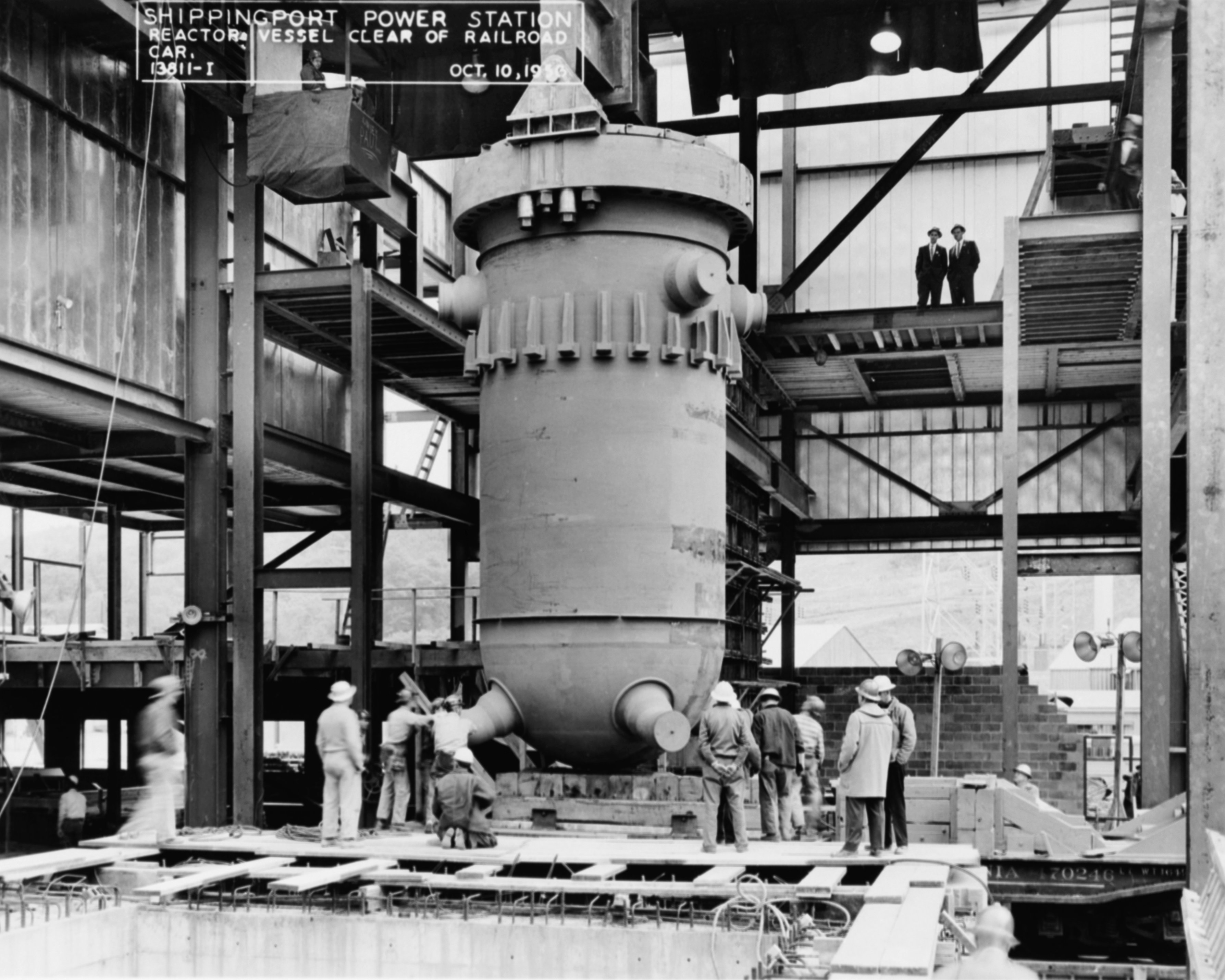
December 2, 1957
Shippingport Atomic Power Station Becomes the World’s First Atomic Electric Power Plant Devoted Exclusively to Peacetime Uses
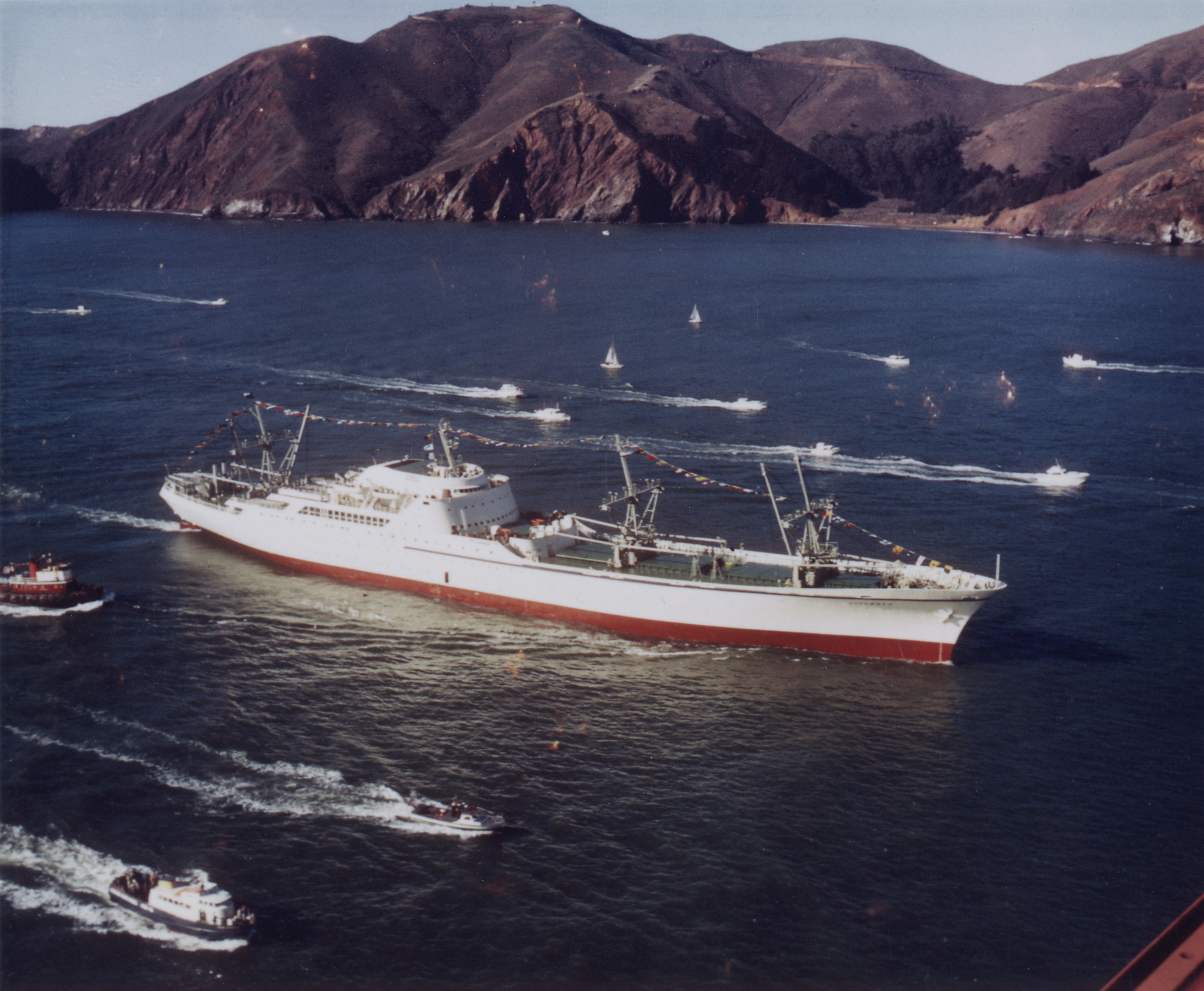
July 21, 1959
The First Nuclear-Powered Merchant Ship, the NS Savannah, is Launched
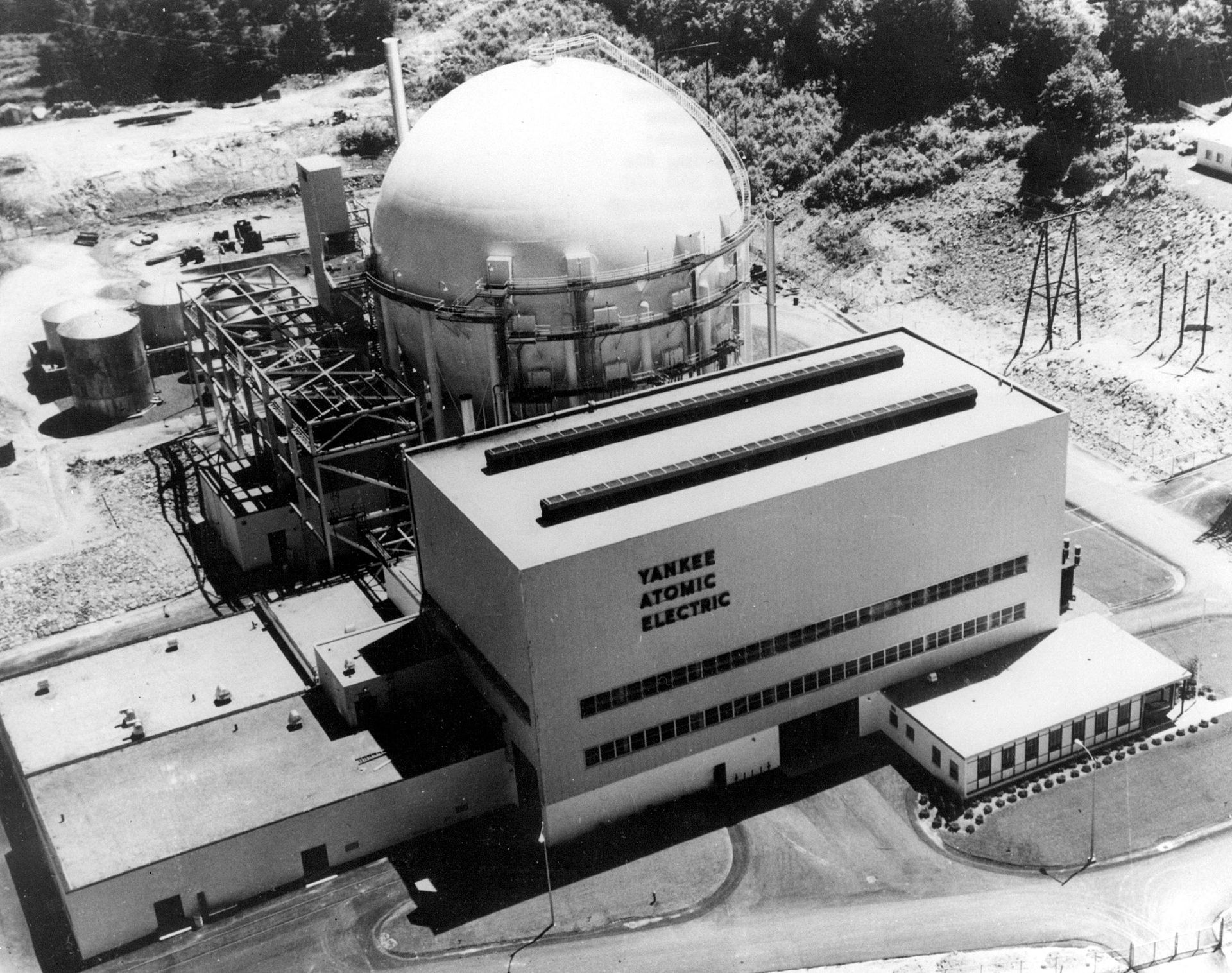
1960
The Dresden and Yankee Rowe Nuclear Power Stations Become the First Privately Funded, Commercial Reactors
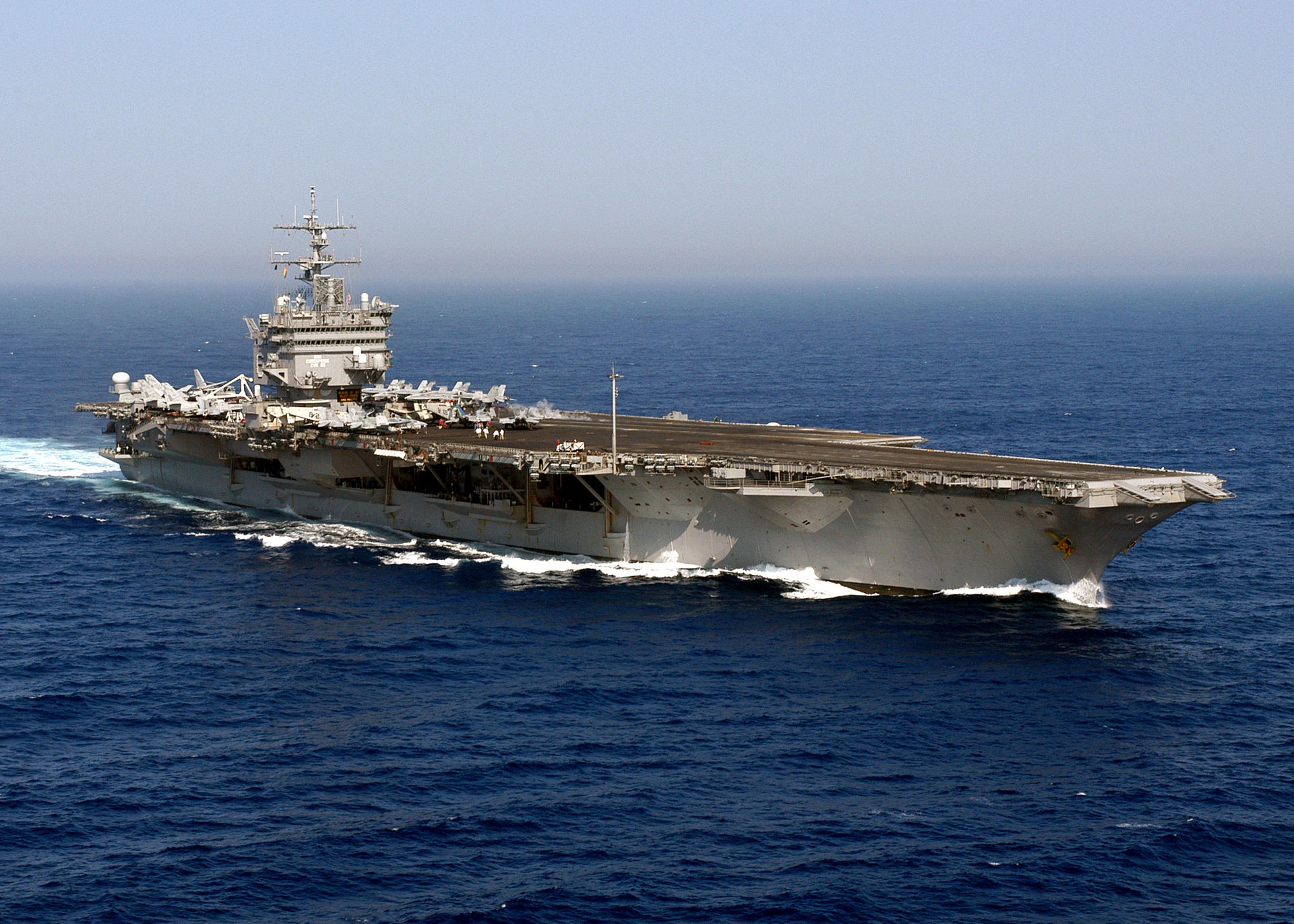
September 24, 1960
The USS Enterprise, the First Nuclear-Powered Aircraft Carrier and the Longest Naval Vessel in the World, Is Launched. Beginning with the Construction of Enterprise, Every U.S. Navy Aircraft Carrier Has Been Nuclear-Powered and Built at Newport News Shipbuilding.
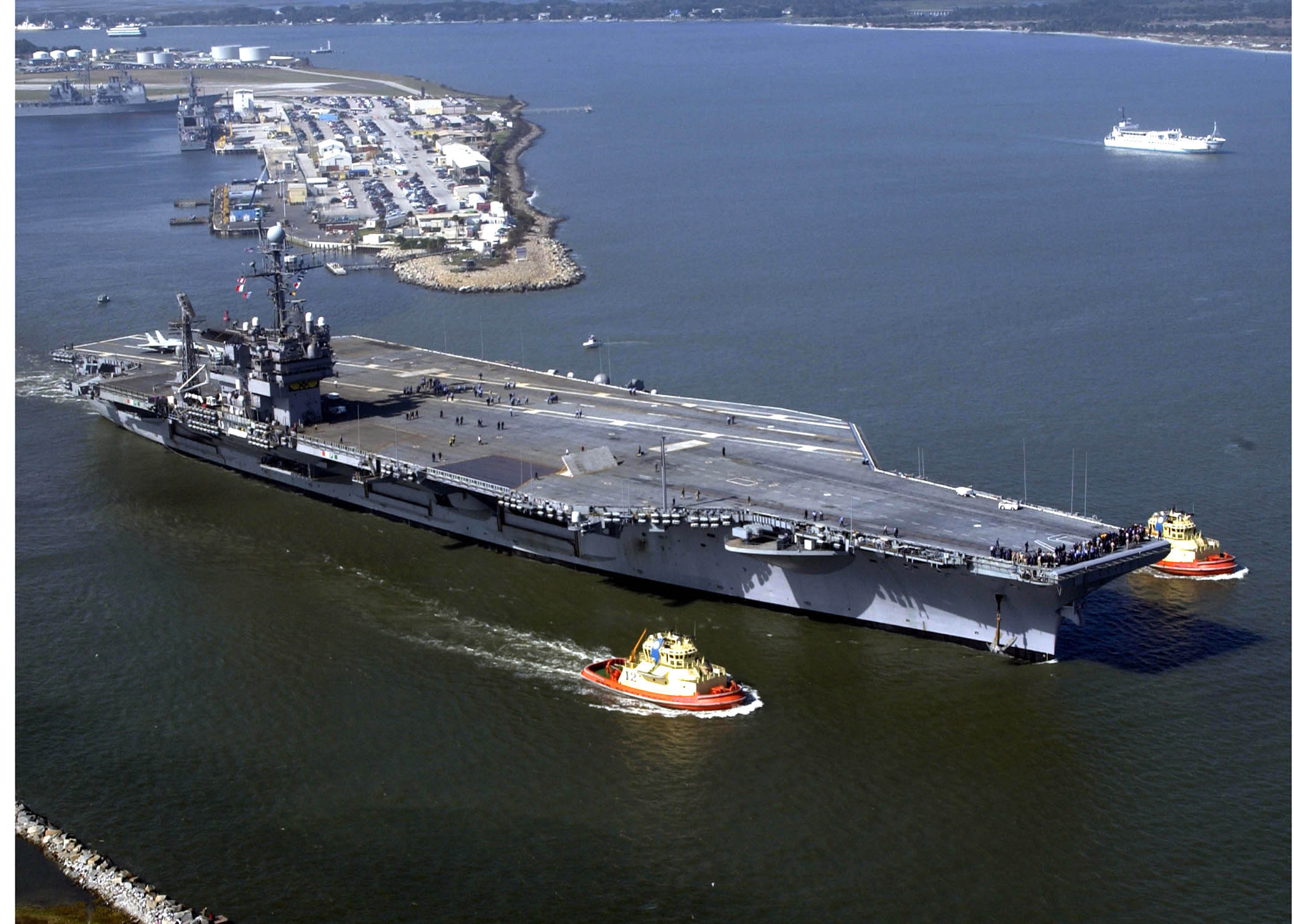
May 27, 1967
The USS John F. Kennedy Becomes the Last Conventionally Powered Carrier Built for the US Navy. Every Carrier Since has been Powered by Nuclear.
February 19, 1971
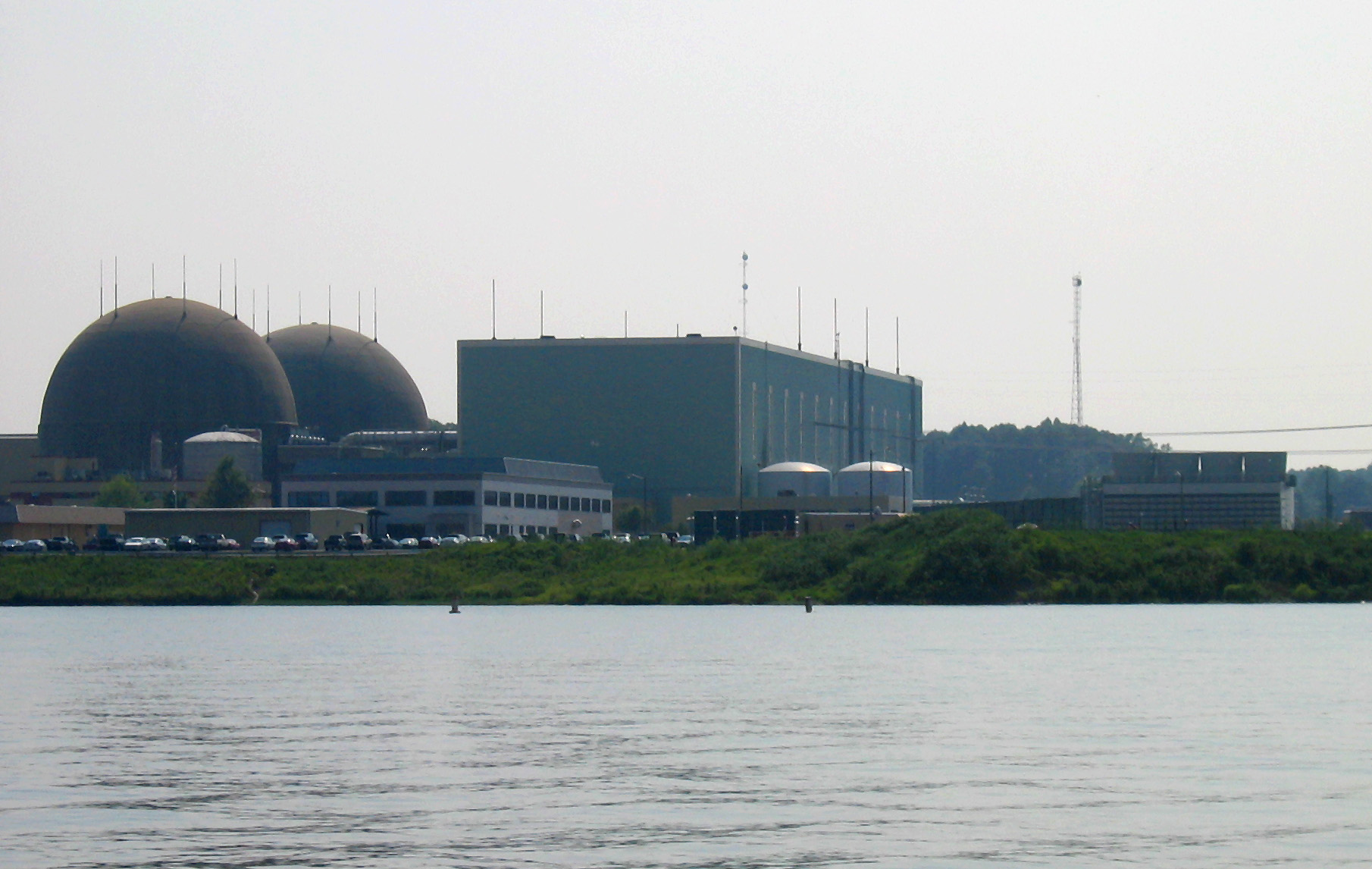
Construction Begins on the North Anna Nuclear Generating Station in Louisa County, Virginia
May 13, 1972
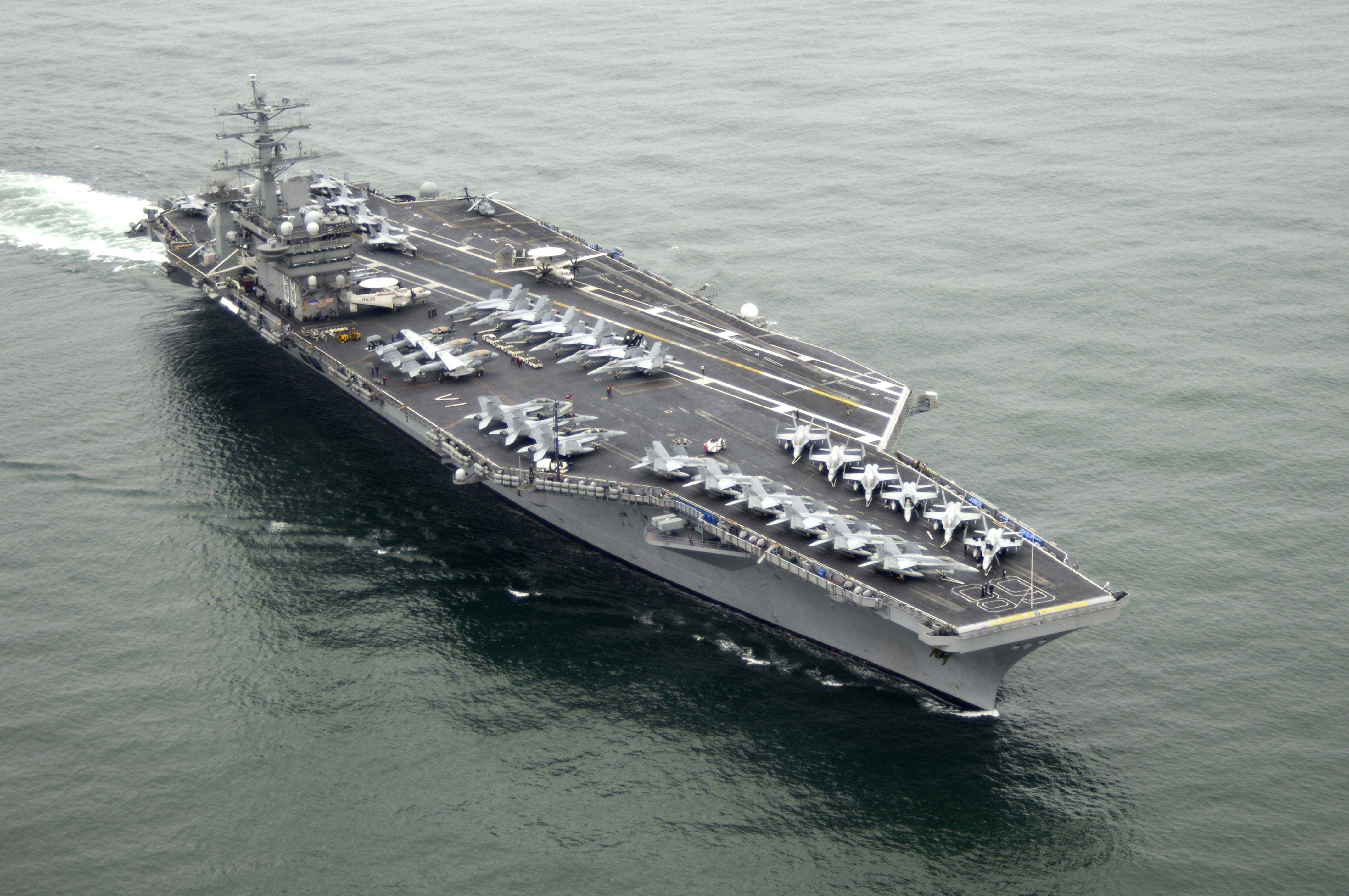
he USS Nimitz, the First Nimitz Class Supercarrier, is Launched by Newport News Shipbuilding.
December 22, 1972
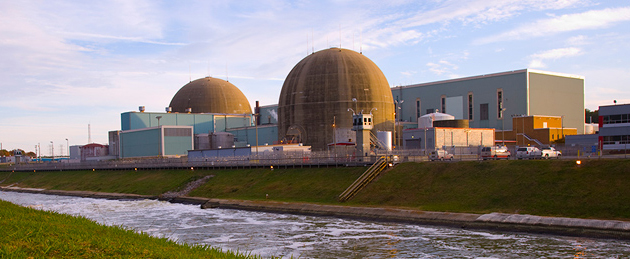
Surry Power Station is Commissioned in Surry County, Virginia
June 1973
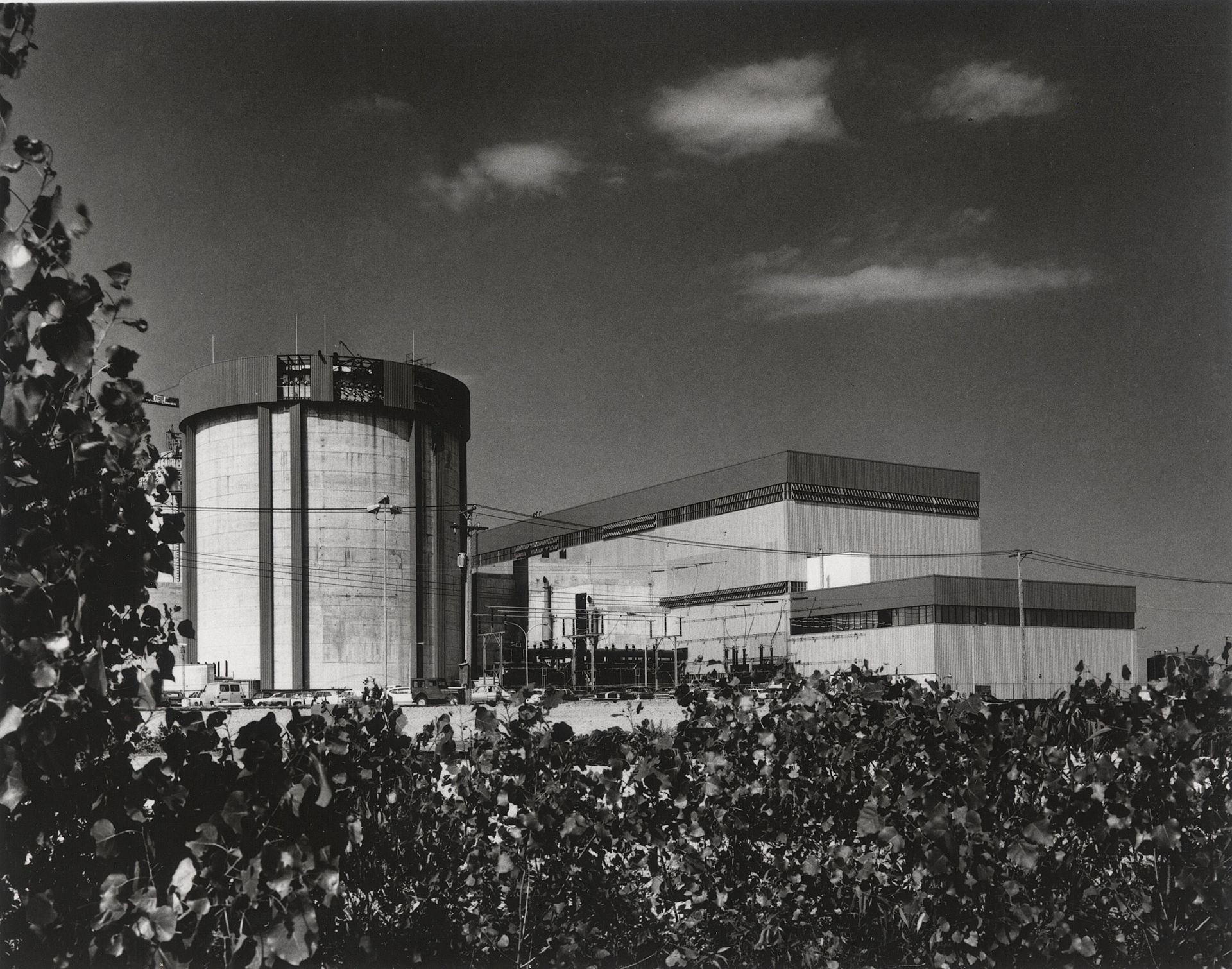
The First 1,000-Megawatt Nuclear Plant Goes into Service (Commonwealth Edison's Zion Nuclear Power Plant).
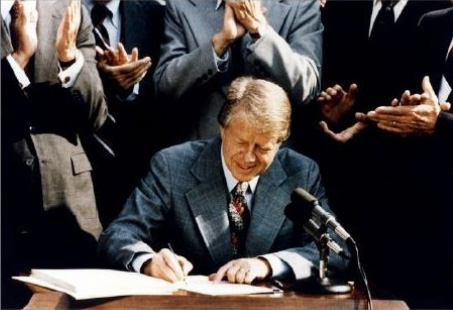
August 4, 1977
President Carter Signs the The Department of Energy Organization Act Combining Several Agencies Under the New Secretary of Energy.
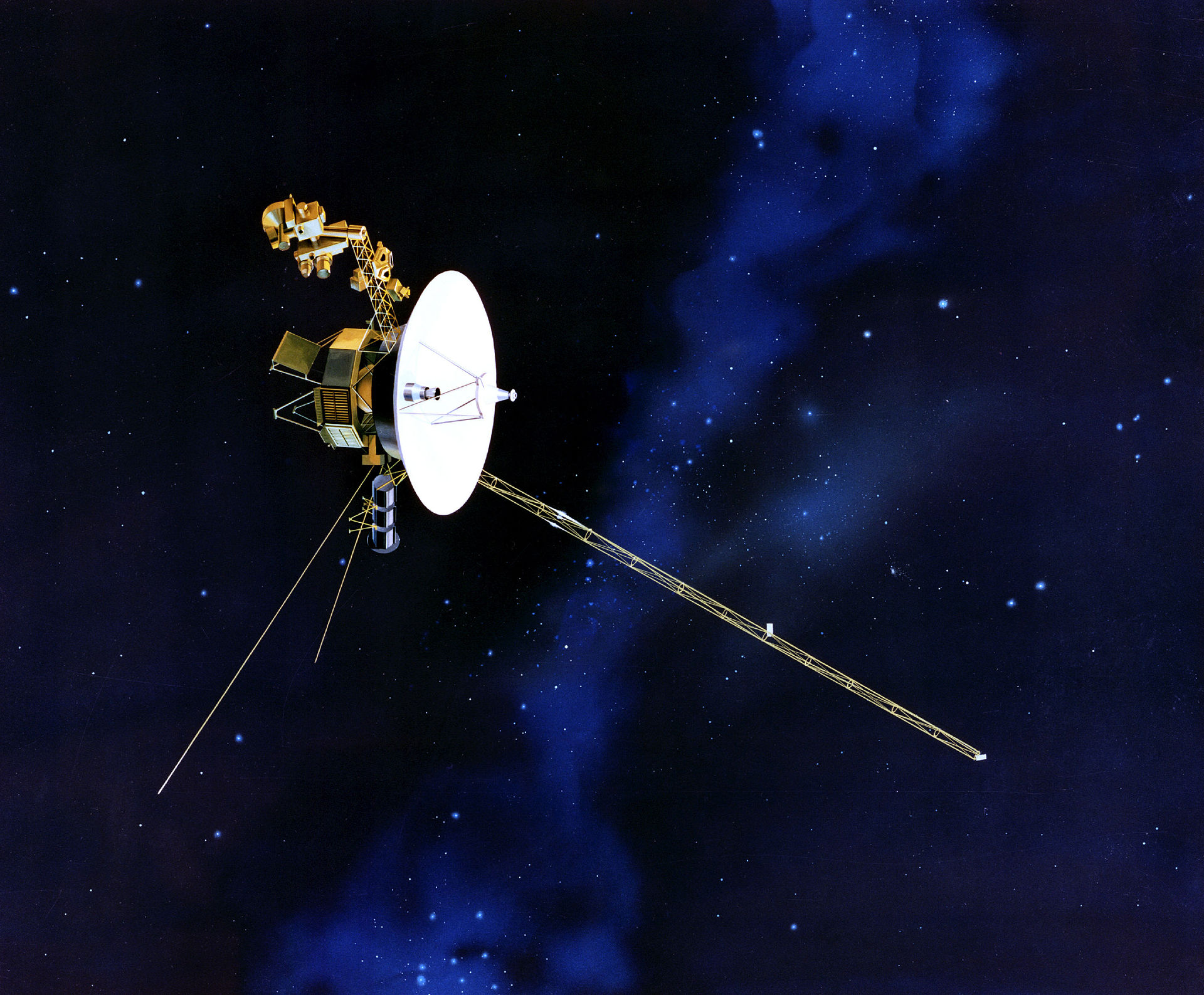
August 20, 1977
Voyager 2 is Launched Toward The Outer Solar System. For 48 years, It Has Been Powered By Plutonium Decay.
1980
For the First Time, Nuclear Energy Generates More Power Than Oil in the United States
1983
Nuclear Energy Generates More Electricity than Natural Gas.
1984
Nuclear Surpasses Hydropower to Become the Second Largest Source of Electricity in the United States.
1985
The 100th Nuclear Power Plant in the US Comes Online in Ohio.
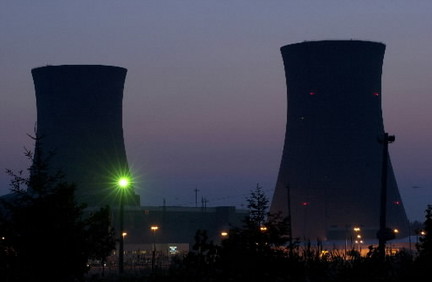
1993
The 109 Nuclear Power Plants Operating in the United States Provided About One-Fifth of the Nation's Electricity.
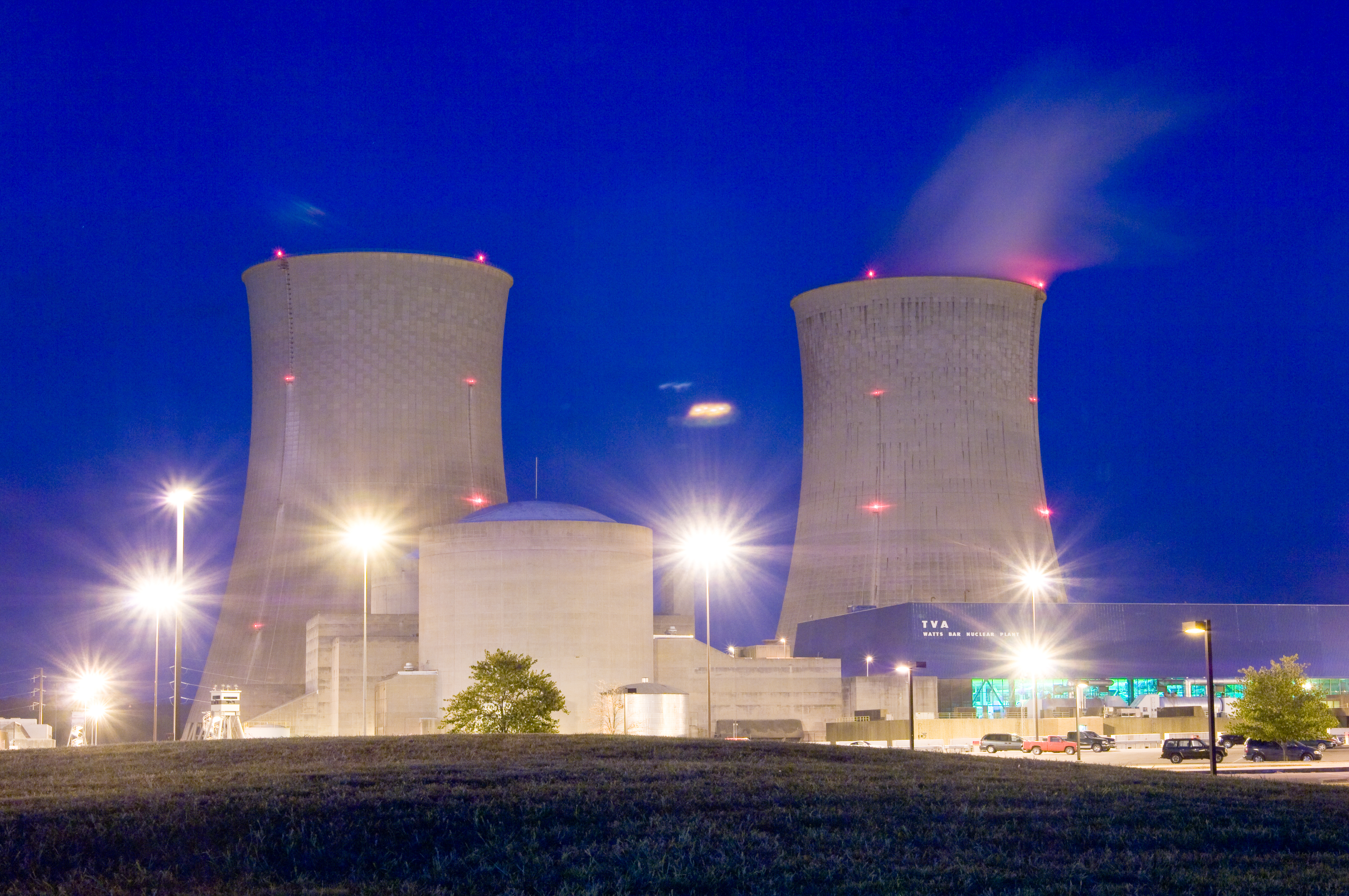
1996
Tennessee Valley Authority's Watts Bar 1 Nuclear Power Plant is the Last Unit to be Licensed in the United States in the 20th Century.
2000
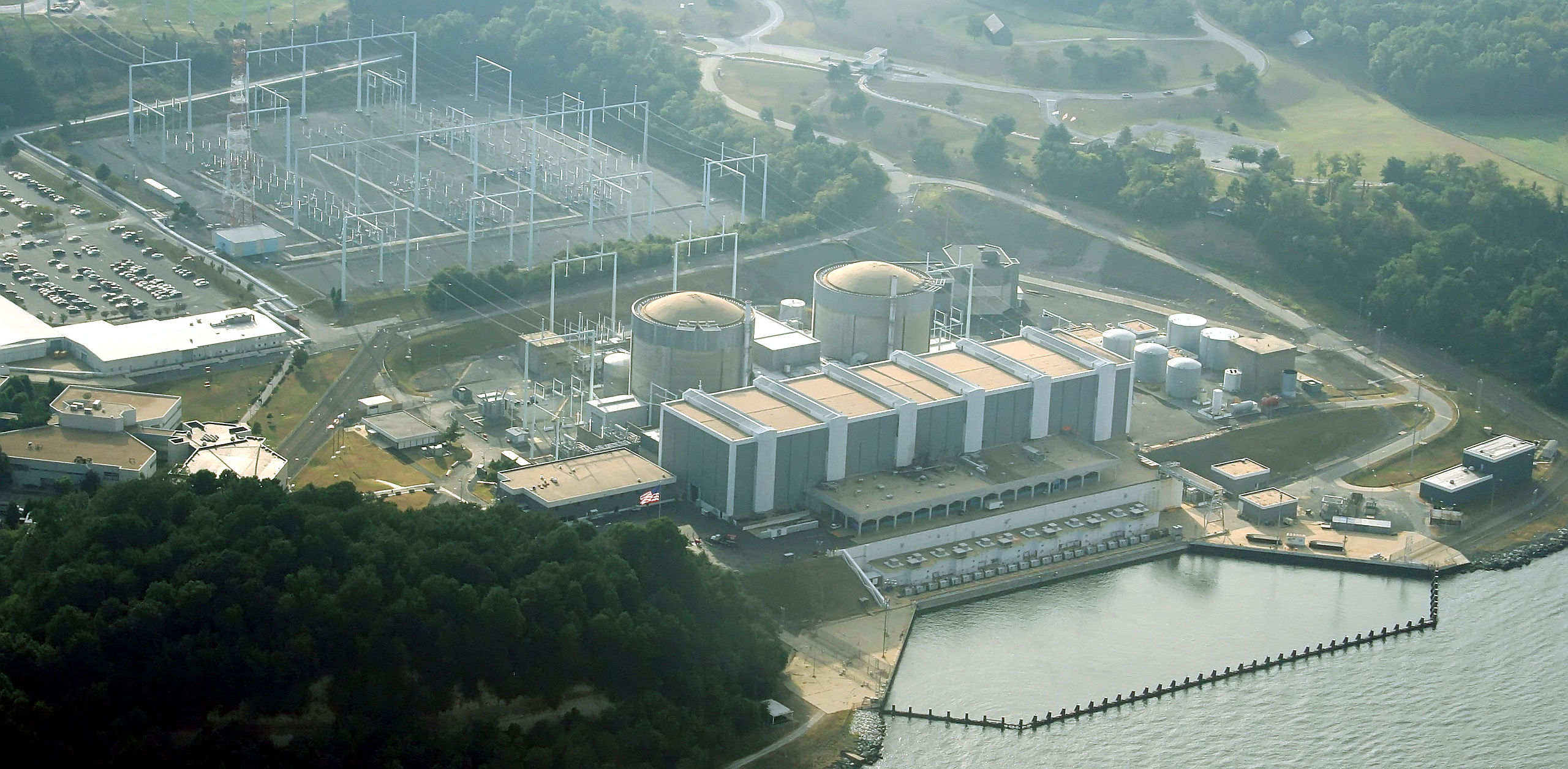
The NRC Issued the First-Ever License Renewal to Constellation Energy's Calvert Cliffs Nuclear Power Plant
April 30, 2002
The Obninsk Nuclear Power Plant, the Oldest in the World, is Shut Down
August 16, 2003
The USS Virginia (SSN-774), the First Virginia Class Nuclear Submarine is Launched.

2007
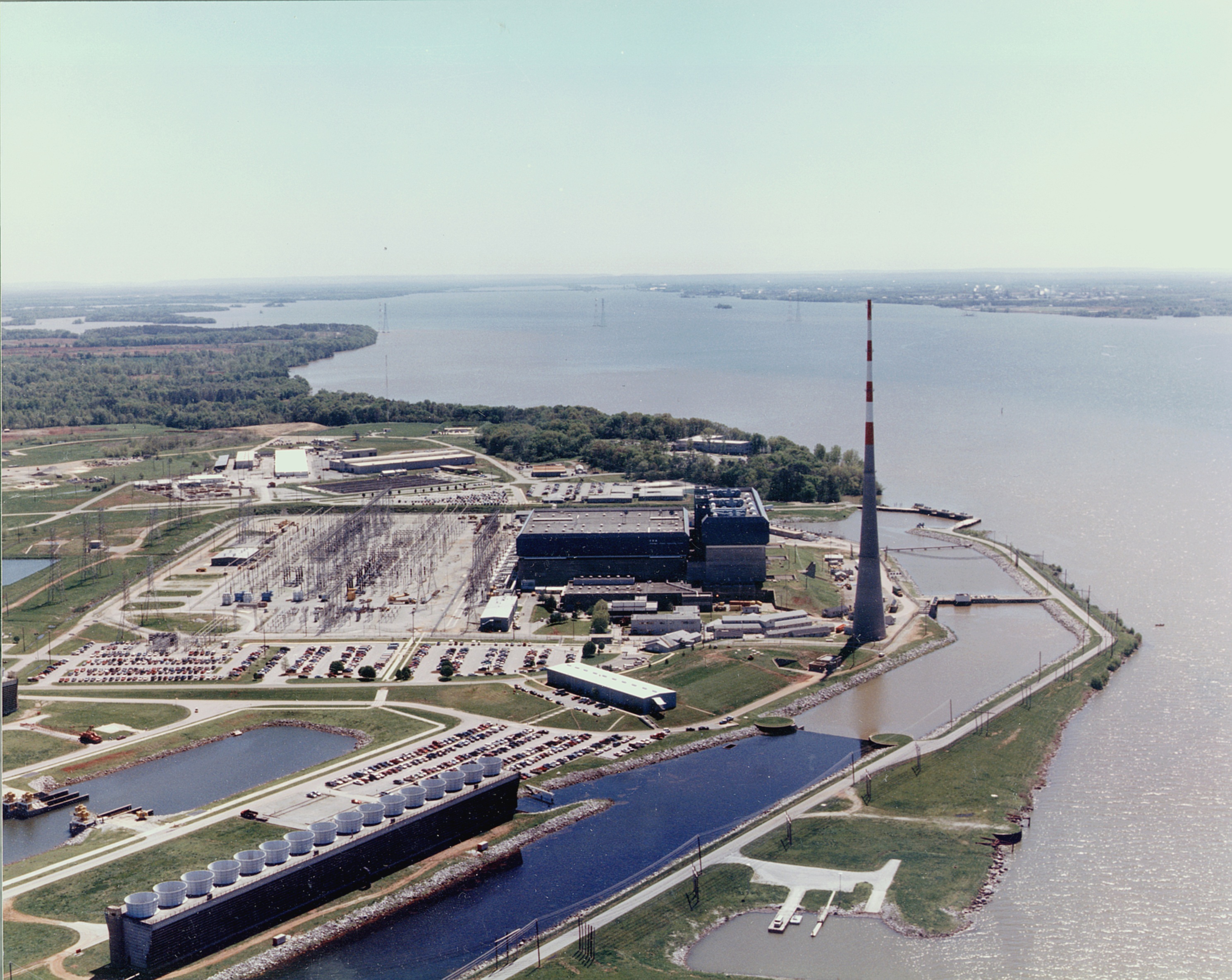
Browns Ferry Nuclear Power Plant Becomes the First U.S. Nuclear Reactor to Come Online in the 21st Century.
2013
The Virginia Legislature creates the Virginia Nuclear Energy Consortium Authority (VNECA)
2015
The US Celebrates the 60th Anniversary of the USS Nautilus.
The Nuclear Navy Has Logged More Than 6,600 Reactor Years of Accident-Free Operations While Traveling Over 155 Million Miles on Nuclear Power.